


-
 June 12, 2026
 -
 Comment: 0
Buy Now, Pay Later: Is It Destroying Young People’s Credit?
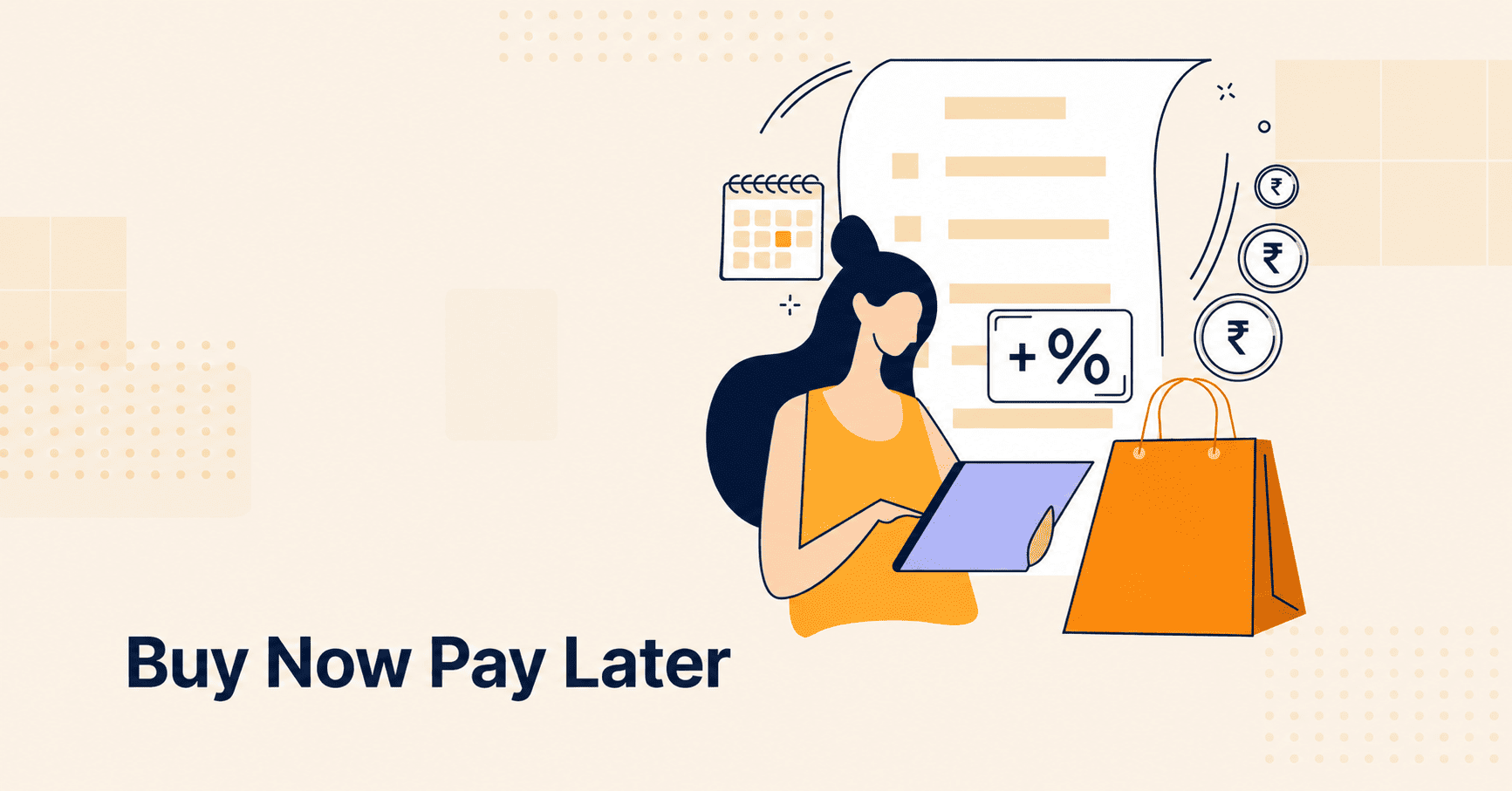
Buy Now, Pay Later (BNPL) services have transformed the way young consumers shop by making purchases more accessible and affordable. With just a few clicks, consumers can split payments into smaller installments, often without paying interest. While this convenience has driven the rapid adoption of BNPL platforms, it has also created a false sense of affordability. Many users focus on the small installment amount rather than the total cost of the purchase, leading to impulsive spending and the accumulation of multiple repayment obligations across different platforms.
The biggest concern surrounding BNPL is its impact on financial discipline and repayment behaviour. Unlike traditional credit products, BNPL services are often marketed as a simple payment option rather than a form of borrowing. As a result, many young consumers underestimate the importance of timely repayments. Missing payments can result in late fees, account restrictions, and in some cases, adverse reporting to credit bureaus. As regulatory oversight increases and more BNPL providers integrate with the credit ecosystem, repayment behaviour on these platforms is likely to play a greater role in shaping an individual’s credit profile.
Another challenge is that excessive reliance on BNPL can create a cycle of debt that is difficult to recognize. Because repayments are spread across several purchases and providers, consumers may lose track of their overall financial commitments. This can strain monthly cash flows, increase dependence on short-term credit, and reduce the ability to meet other financial obligations. For individuals who are new to credit, such habits can negatively affect their long-term financial health and hinder their ability to qualify for larger credit products such as home loans, vehicle loans, or premium credit cards in the future.
However, BNPL itself is not inherently harmful. When used responsibly, it can serve as a useful financial tool that provides flexibility and helps manage short-term expenses. The key lies in treating BNPL as credit rather than as a payment convenience. Young consumers should carefully evaluate their repayment capacity before making purchases, keep track of outstanding obligations, and regularly monitor their credit reports. Financial awareness and responsible borrowing behaviour remain essential to ensuring that convenience today does not become a credit challenge tomorrow.