


-
 February 27, 2026
 -
 Comment: 0
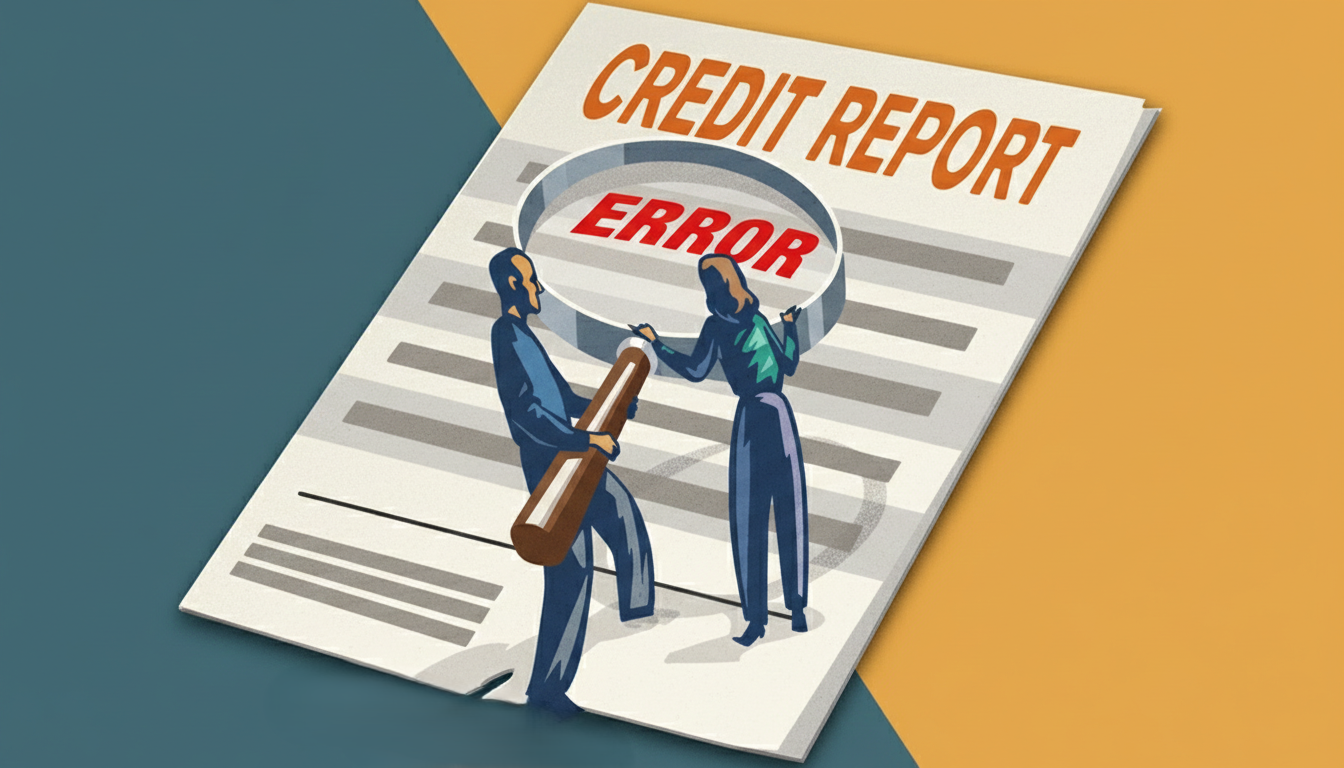
Fighting Back Against Errors: Rights to Faster Dispute Resolution and Compensation
In today’s data-driven financial environment, a Credit Score or Rank represents one of the most valuable financial assets an Individual or Non-Individual possesses. Despite its significance, it remains vulnerable to administrative errors and “ghost entries” that can unfairly restrict access to credit facilities. Historically, consumers were often caught in a frustrating cycle of accountability gaps between lenders and Credit Bureaus. However, the regulatory landscape has evolved significantly. Under the Credit Information Companies (Regulation) Act (CICRA), borrowers are no longer passive observers of their financial data; they are recognized as protected stakeholders with enforceable rights to maintain accurate credit records.
A key regulatory safeguard is the mandatory 30-day resolution window. When an inaccuracy is reported such as an incorrectly recorded late payment or a loan misattributed to the borrower, the concerned Credit Bureau is legally obligated to investigate and resolve the issue within 30 calendar days. As per RBI guidelines, lending institutions must provide their response to the Credit Bureau within 21 days, leaving the Credit Bureau an additional 9 days to complete the correction process. This structured timeline has been implemented to eliminate prolonged delays that previously left disputes unresolved for extended periods.
A further strengthening of consumer protection came with the introduction of a compensation mechanism by the Reserve Bank of India (RBI). If a Credit Bureau or lender fails to resolve a grievance within the stipulated 30-day period, a penalty of ₹100 per day of delay becomes payable. This compensation must be automatically credited to the affected party’s bank account within five working days of dispute resolution. By attaching a financial consequence to non-compliance, the regulator has created a strong incentive for timely and accurate grievance handling.
Effective credit management now requires proactive monitoring of one’s financial profile. Individuals and Non-Individuals are entitled to obtain their free annual Credit Reports from recognized Credit Bureaus such as TransUnion CIBIL, Experian, Equifax or Crif High Mark. Upon identifying discrepancies, a formal dispute should be lodged to initiate the regulatory resolution timeline. In instances where resolution is delayed or mandatory compensation is not credited, escalation to the RBI Integrated Ombudsman mechanism remains available. These measures not only correct inaccuracies but also reinforce accountability within the credit information ecosystem, thereby protecting financial reputation and access to formal credit systems.
The evolving credit regulatory framework, with its emphasis on faster dispute resolution and structured compensation, empowers borrowers to raise concerns with confidence. Staying informed and proactive is essential to protecting financial credibility and long-term access to credit.